Create Wiki · Create Big Cannons
Crafting a cannon
Create Big Cannons cannon blocks are not made on a crafting table. They are cast from molten metal in a mould, bored with a drill, or built up layer by layer then heated. It is a small Create production line that turns out one-piece cannons.
Quick facts
- Foundry
- Basin Foundry Lid on a heated Basin: 1 ingot gives 90 mB of molten metal
- Setting time
- Cast iron and bronze 2,400 ticks (2 min), steel 3,600 (3 min), nethersteel 6,000 (5 min)
- Metal per block
- From 7 ingots (very small mould) to 20 (very large); 9 for an end or a breech
- Cannon Drill
- Needs water; same speed as the lathe; 32-block stroke; stress 8
- Built-up cannon
- Layers placed by the builder, then 6,000 ticks (5 min) of heating
- Welding
- Joins two blocks placed in survival; cast iron loses 1 safe charge, steel 2
- Version
- Create Big Cannons 5.11.7 · Create 6.0.10 · Minecraft 1.21.1
Cannon Drill (crafting table)
→ 1 Cannon Drill
Melting the metal
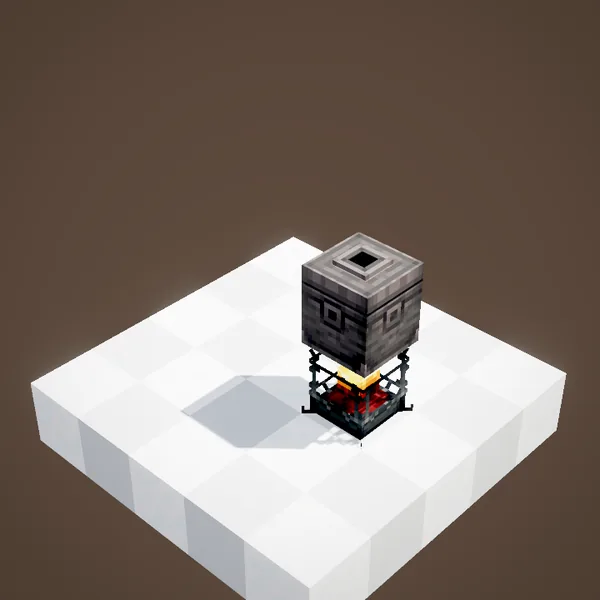
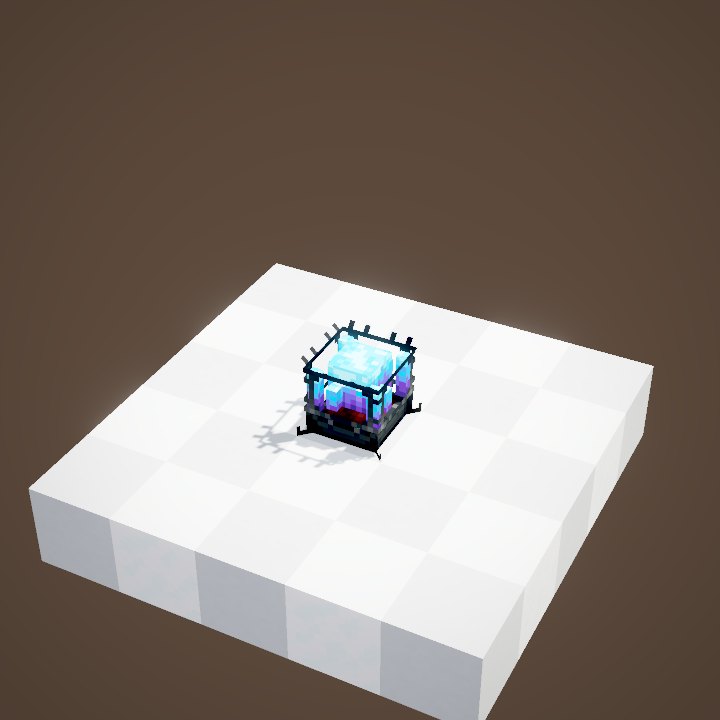
Put a Basin Foundry Lid on a Basin heated by a Blaze Burner. Ingots thrown in melt: 90 mB per ingot. Cast iron comes from compacting iron with coal, steel from mixing two iron ingots with coal.
Moulding and casting
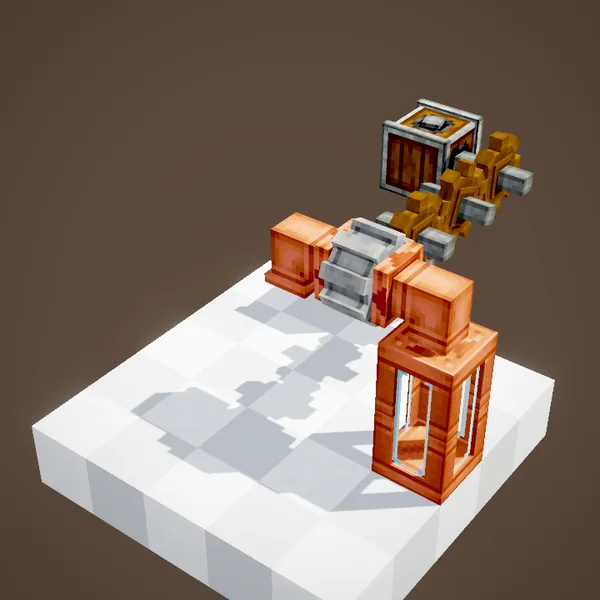
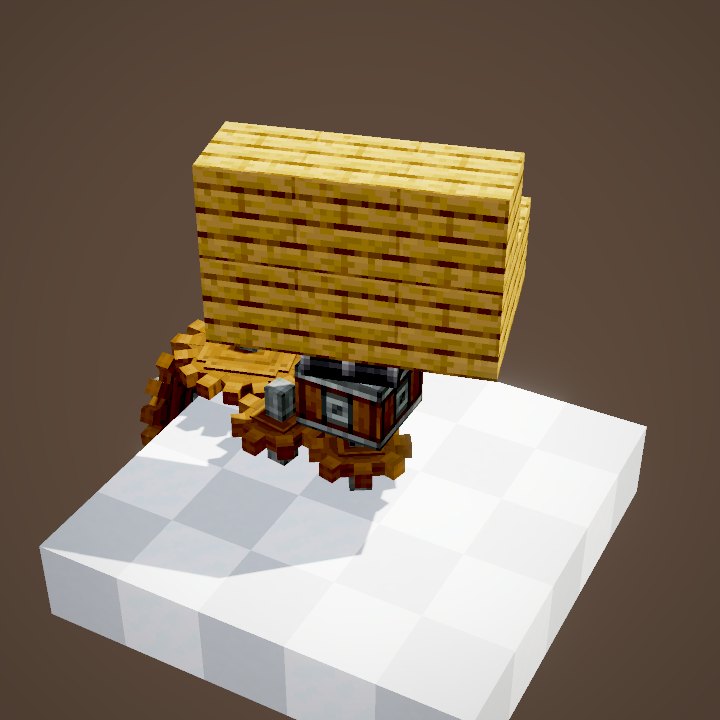
A cut mould (from very small to very large, plus end and breech moulds) surrounded by Casting Sand makes one layer; stack layers for the length you want, up to 32. Then fill from the top with pipes. Once full, the metal sets: 2 min for cast iron, 5 for nethersteel. A comparator reads how full it is. Then break the mould.
Boring
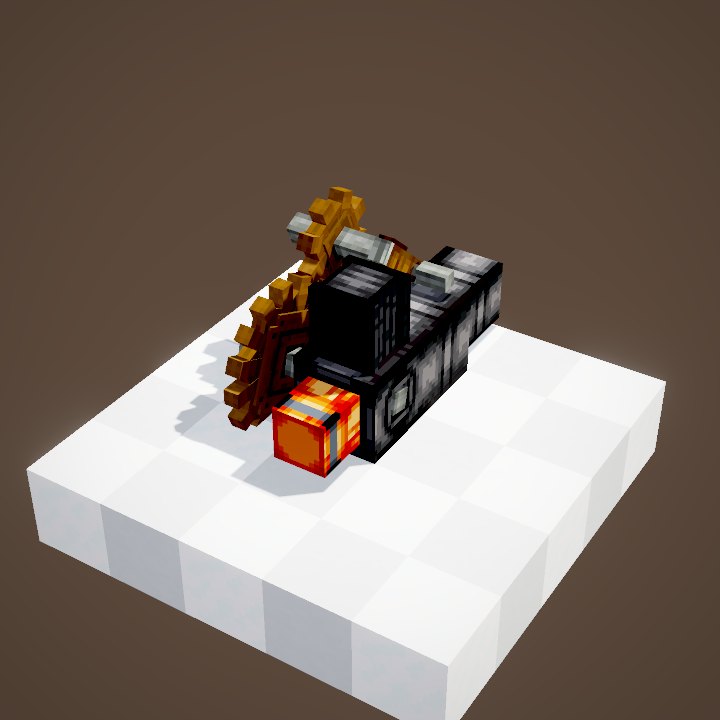
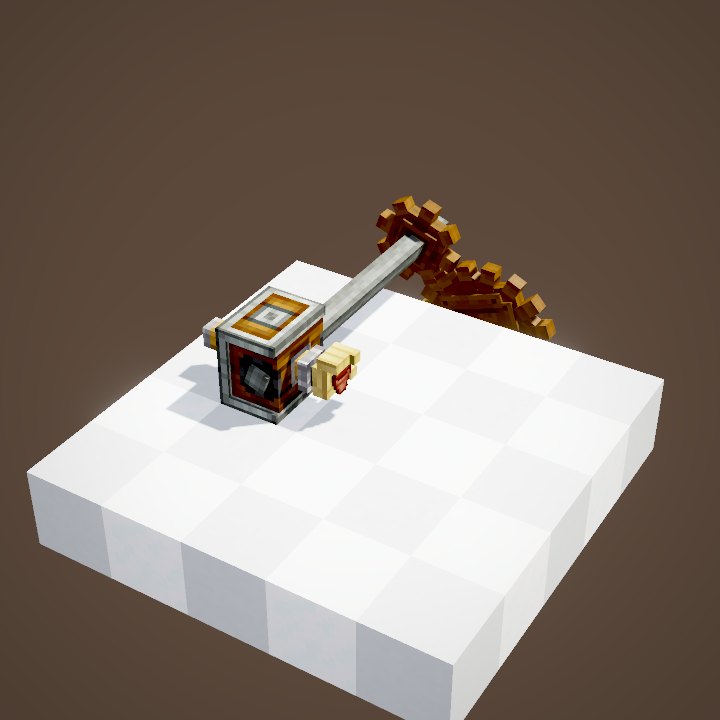
A cast block is unbored: it has to be hollowed out. A bearing spins the raw cannon like a lathe, and the Cannon Drill, pushed like a piston, goes into the bore. It uses water, more as it spins faster, and its speed must match the lathe's. Each bored block leaves some scrap.
Built-up cannons
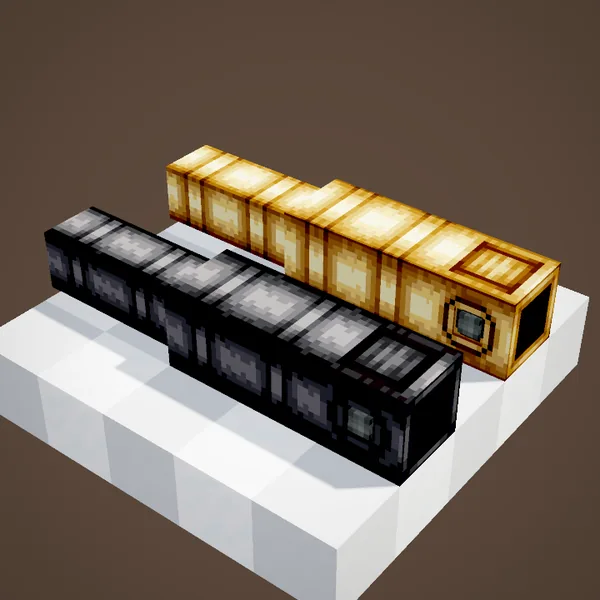
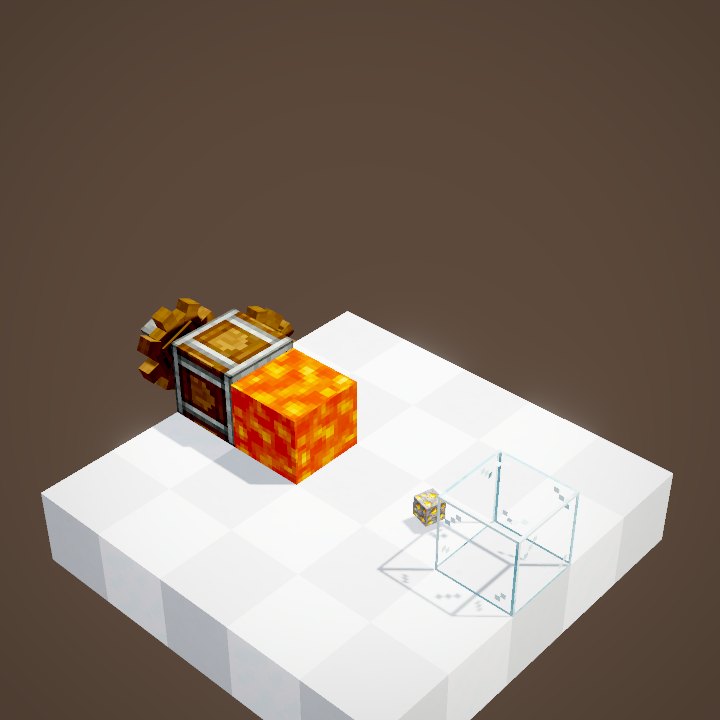
The biggest steel or nethersteel cannons are made of nested layers, from very small to very large calibre. The Cannon Builder grabs and places them; a redstone pulse switches how it attaches. The layers are then heated, like with a fan blowing through lava: after 5 minutes they have become built-up cannon blocks.
Finishing touches
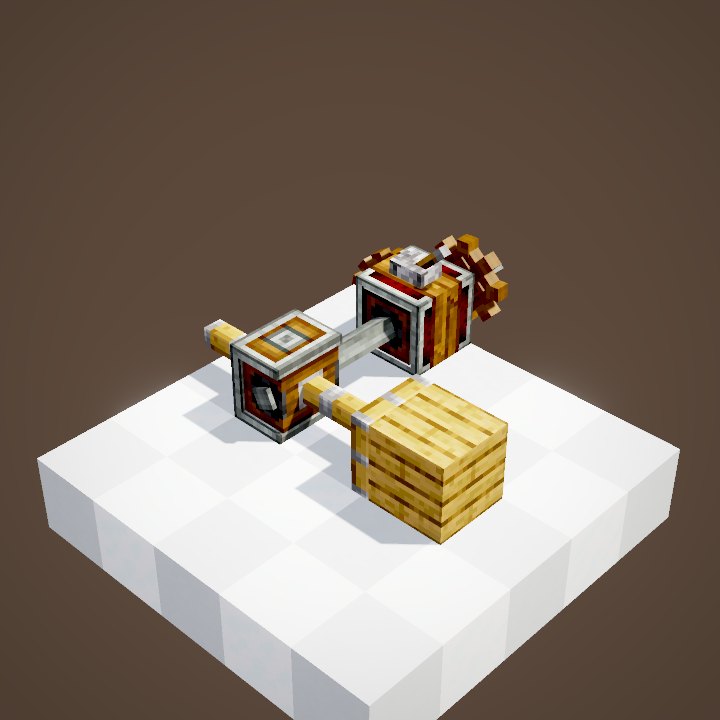
Some bored parts still need an item: the Sliding Breech its breechblock, the Screw Breech its screw lock. Put it in by hand or with a Deployer. To move a finished cannon, use contraptions: breaking a cast block without Silk Touch turns it into scrap.
A complete line
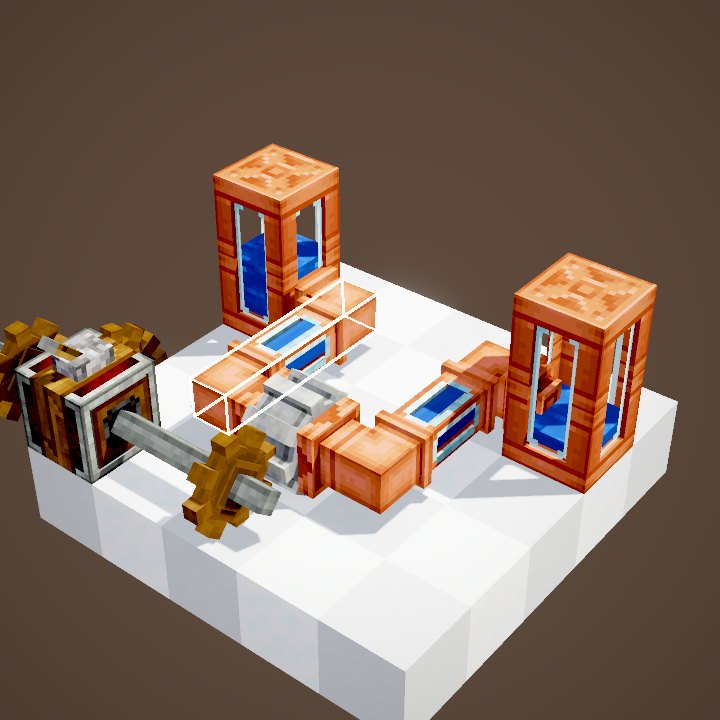
A small foundry fits in a few blocks: a Mechanical Mixer or a press over a heated basin for the alloy, the foundry lid on a second basin, a Mechanical Pump and pipes leading to the moulds. The moulds fill one after the other. Once set, break the mould, bore the block on the lathe, and add the missing parts. Count 12 ingots for a medium mould, and 20 for the largest one.
Common mistakes
A drill faster or slower than the lathe does not bore anything: run both at the same speed. Without water it stops. A block broken with a pickaxe without Silk Touch turns into scrap: move your cannons with contraptions, and keep the welder for the rare cases where pieces must be joined after placing. Finally, check the mould size before pouring: the cast takes exactly its volume of metal, no more, and any extra stays in your tank.
The welder
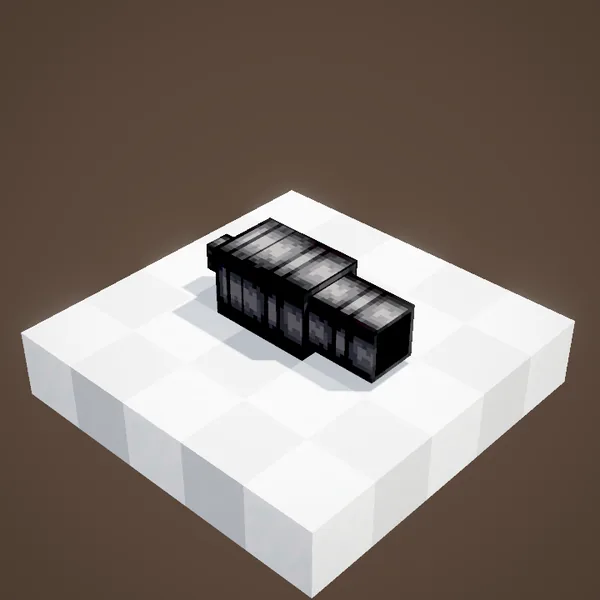
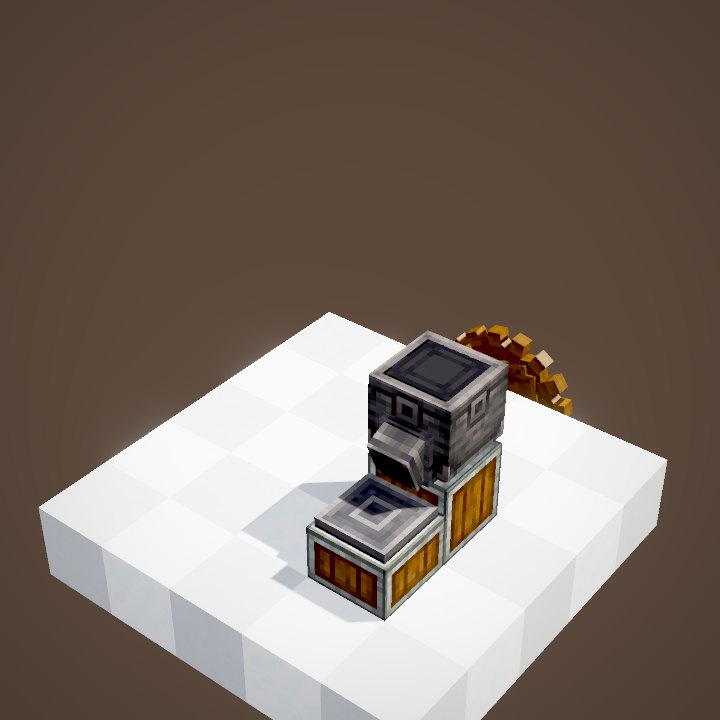
Cannon blocks placed by hand in survival do not connect. The Cannon Welder joins two neighbouring blocks that line up and share the same material and type. Welding weakens the cannon: cast iron loses 1 safe charge, steel 2, bronze none, and nethersteel cannot be welded. It is better to make and move cannons in one piece.
Related pages

Sources for the numbers (Create 6.0.10 · Create Big Cannons 5.11.7 code)
- Foundry: BasinFoundryBlockEntity, recipe/melting/*.json (90 mB per ingot, heated, 180 ticks)
- Moulds: crafting/casting/CannonCastShape (7 to 20 ingots of 90 mB), config CBCCfgCrafting.maxCannonCastHeight 32
- Setting: data/*/fluid_casting_time (2,400 / 3,600 / 6,000 ticks), AbstractCannonCastBlockEntity
- Boring: crafting/boring (water, lathe speed), config maxCannonDrillLength 32; stress CBCBlocks (drill 8)
- Built-up: crafting/builtup, config builtUpCannonHeatingTime 6000, maxCannonBuilderLength 32
- Welding: crafting/welding, BigCannonMaterialProperties (isWeldable, weldStressPenalty), MountedBigCannonContraption (hasWeldedPenalty)
- Cast iron and steel: recipe/compacting/iron_to_cast_iron_ingot.json, recipe/mixing/alloy_steel.json
- Code and data: Create Big Cannons 5.11.7 (github.com/Cannoneers-of-Create/CreateBigCannons, tag v5.11.7+mc.1.21.1, MIT licence), identical to the Create France modpack jar
- Videos: Create Big Cannons Ponder scenes (CannonMountScenes, CannonLoadingScenes, CannonKineticsScenes, CannonCraftingScenes) replayed by our engine; CBC models and textures (CC BY-NC-SA 4.0, Cannoneers of Create)
- Stills only: casting (molten metal inside the mould not drawn), foundry and welding (sparks and weld marks not drawn)
Original texts and animations by Create France, rendered from the mod's Ponder scenes. Create is a mod by the Create Team, not affiliated with Create France.